Below is a list of doctoral students I am advising or have recently worked with at the University of Chicago.
Former students on the market:
Oliver Cussen (PhD 2020, History) is Ciriacy-Wantrup Fellow in Natural Resources and Political Economy in the Department of Geography at UC Berkeley. He is an environmental historian of early modern capitalism and empire. His current book project, “The Enlightened Earth: Capital and Nature in French Colonialism,” reinterprets French colonialism in the eighteenth century as an attempt to overcome organic limits to growth. (I served on Cussen’s dissertation committee as an external member.)
Ibrahim Khan (PhD 2025) is a postdoctoral fellow at Princeton University. His interests include international legal and political thought, Islamic law, anticolonial thought, and the intersection of religion and politics, especially in relation to the Middle East. Ibrahim’s dissertation, “The Problem of Peace: Anticolonial Thought and the Critique of International Order,” explores how Third World intellectuals, activists, and legal scholars understood peace as an active instrument of imperial and legal discourse that ultimately enabled violence, and how they developed alternative visions of peace that rejected hierarchy and domination.

Larry Svabek (PhD 2022) is a Postdoctoral Fellow in American Political Thought at the University of Missouri’s Kinder Institute. His research interests lie in the history of political thought with a focus on the study of African American thought, racial politics, and political economy. His current book project, “A Real Revolution Within: W.E.B. Du Bois and the Lost Promise of African American Cooperation, examines Du Bois’s theory of cooperative practices as a primary strategy for establishing popular rule in political and economic life. He published an article from the project in Political Theory in 2025.
Other former students:
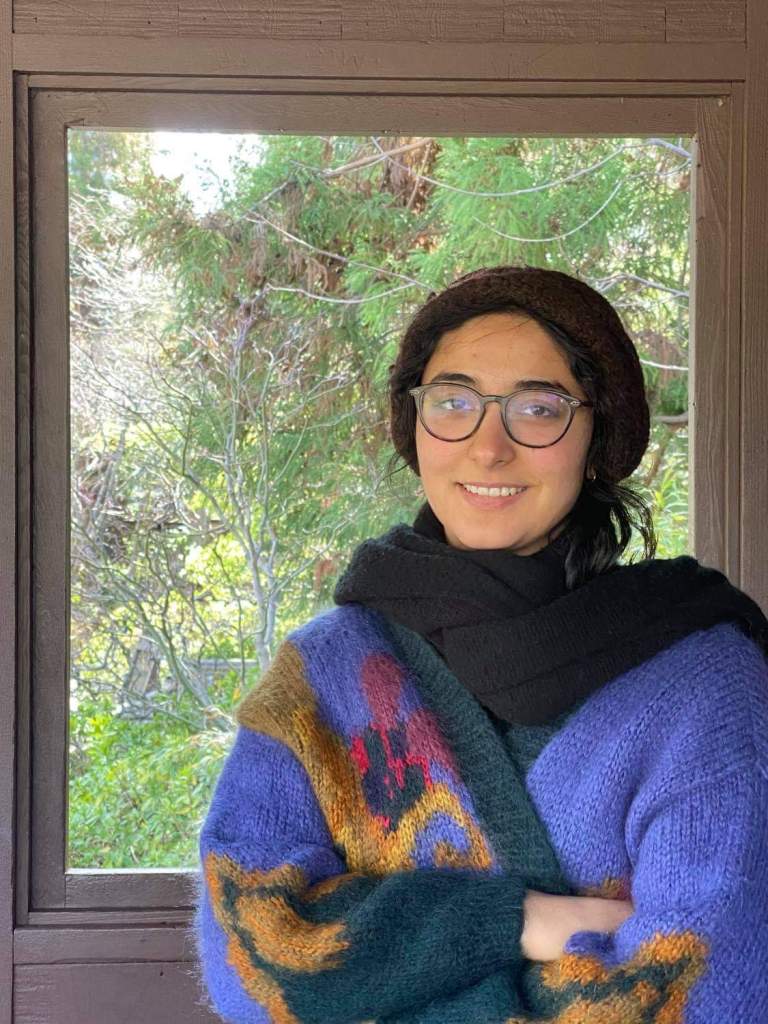
Arwa Awan (PhD 2024) is Assistant Professor of Politics at Oberlin College. Her research interests lie in historically grounded approaches to anticolonial political theory, which are animated by questions central to critical and social theories of capitalism. Her current book project, based on her dissertation, “To Make the World Our Own: The Marxist Critique of Alienation in Anti-colonial Thought,” examines receptions of Marxism in the Third World through the concept of alienation.
Alex Haskins (PhD 2020) is Assistant Professor of Politics and International Relations at Wheaton College. His research interests include the history of political thought (East Asian, European, and American), comparative political theory, and intellectual history with a focus on questions concerning sovereignty, empire, religion & politics, and international law.
Sarah Johnson (PhD 2015) is a senior lecturer in the Law, Letters, and Society program at the University of Chicago. Her research focuses on the relationship between political thought and the historical imagination; she is currently completing a book manuscript, “The Ages We Live By,” that examines how practices of historical periodization shape efforts to analyze and reimagine social . From 2015 to 2017 Sarah was a visiting assistant professor in the Department of Law, Jurisprudence and Social Thought at Amherst College.

Emma Mackinnon (PhD 2017) is Assistant Professor in the History of Modern Political Thought at the University of Cambridge. Her teaching and research is in contemporary political theory and the history of political thought, with broader research interests in histories of human rights and humanitarianism, anticolonialism, international political thought, and the relationship between history and politics. Her current book project concerns the legacies of the eighteenth-century French and American rights declarations in mid-twentieth century politics of race and empire.
Tejas Parasher (PhD 2019) is Assistant Professor of Political Theory in the Department of Political Science and at the UCLA International Institute. His first book is Radical Democracy in Modern Indian Political Thought (Cambridge University Press, 2023), reframes the history of twentieth-century anti-colonialism as a contest over the nature of modern political representation and pushes readers to rethink accepted understandings of democracy today. His research interests include the history of modern political and legal thought; 20th century South Asian political and intellectual history; historiography; Third Worldism and anti-colonialism; and postcolonial studies.

Lucas Pinheiro (PhD 2019) is Assistant Professor of Politics at Bard College. His research bridges political theory and social history by focusing on the development of global capitalism, empire, and the legacies of racial slavery in the Atlantic world since the late seventeenth century. His current book manuscript is titled “Factories of Modernity: Political Thought in the Capitalist Epoch.”
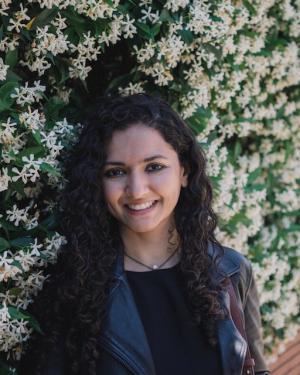
Aditi Rajeev Shirodkar (PhD 2021) has research interests in religion and politics, comparative colonialism, post-colonial politics, and comparative political theory. Aditi’s dissertation examined the politics of conversion through an analysis of the processes of Catholic conversion in early modern Portuguese Goa, with a focus on the relationship between violent colonial conversion programs, indigenous uptake of religion, and new political visions that emerge through the process of conversion.
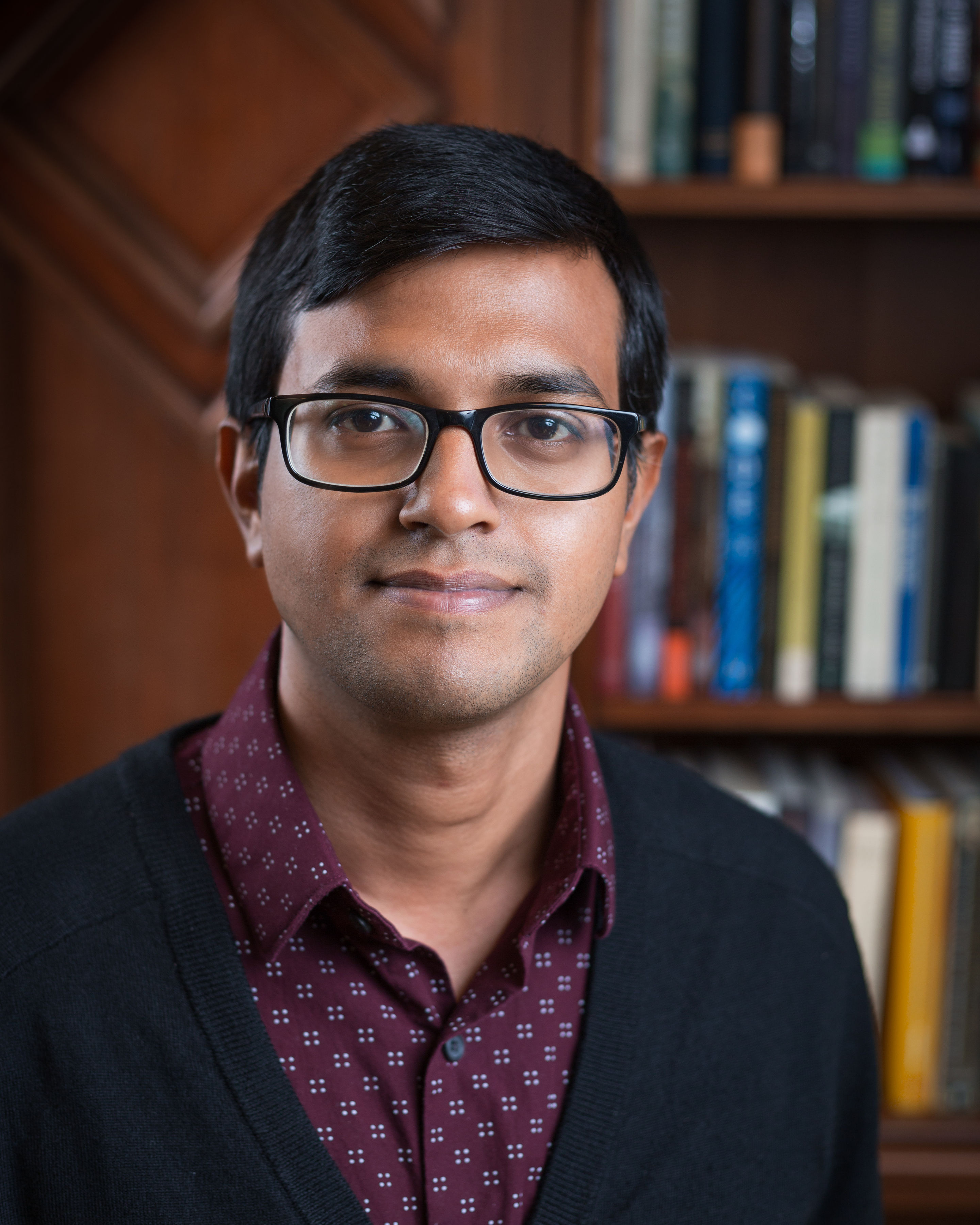
Nazmul S. Sultan (PhD 2020) is Assistant Professor of Political Science at Yale. His first book, Waiting for the People: Anticolonialism and the Idea of Democracy in India (Harvard, 2024), studies how a foundational set of disputes over the terms of peoplehood underwrote the formation of the idea of democracy in colonial India. His research interests include empire and colonialism, popular sovereignty, democratic theory, and nineteenth- and twentieth-century political thought.

Sarita Zaffini (PhD 2018) is a DeOlazarra Fellow in Political Philosophy, Policy, and Law at University of Virginia. The broad scope of Sarita’s research is political theology: the study of religious beliefs and their political consequences. She is especially interested in the coincidence of political and religious conflict, and the doctrinal shifts that can lead a religion to abandon one political perspective for another.
 Jennifer Pitts